
Key Takeaways
- Leverage local incentives and grants to offset ADU construction costs, maximizing budget efficiency.
- Engage with local contractors who specialize in ADUs to negotiate better pricing and ensure high-quality work.
- Prioritize energy-efficient materials and designs to save on utility costs and attract environmentally-conscious buyers.
- Consider a DIY approach for non-structural aspects to reduce labor costs, but ensure compliance with local building codes.
- Engage the local community early on to gauge interest and potentially collaborate on design and placement for mutual benefit.
- Focus on creating a functional and aesthetically pleasing space that complements nearby properties to maximize property value.
- Partner with local professionals, like architects and engineers, to ensure your ADU meets all necessary safety and zoning requirements.
Planning and building a junior ADU on a budget? Focus on efficient design, choose durable yet affordable materials, and negotiate with local contractors. Prioritize energy efficiency for long-term savings, and leverage community incentives for ADU construction. A well-planned, locally-sourced project can keep costs down while enhancing your property's value.
In our bustling community, the rise of junior accessory dwelling units (jADUs) has become a hot topic, offering both cost-saving and space-creating solutions for local residents. As a trusted local business dedicated to affordable ADU construction planning, we've witnessed the growing demand for these compact, efficient homes. By leveraging smart design, efficient construction techniques, and a keen eye for cost-saving materials, we're helping neighbors turn their dreams into reality without breaking the bank.
Our approach prioritizes community benefits, from streamlining local permitting processes to fostering connections with our network of discounted contractor services. We understand that building a jADU isn't just about construction; it's about weaving new living spaces into the fabric of our neighborhood. Let's collaborate to enhance our community, one jADU at a time.
- Budget-Friendly ADU: Community Resources for Local Projects
- Local Permits: Navigating Junior ADU Construction Planning
- Community Support: Benefits of Local ADU Construction Partnerships
- Cost-Effective Materials: Sourcing Local for Your Junior ADU
- Community Workshops: Learning How to Build Your Own ADU
Budget-Friendly ADU: Community Resources for Local Projects

In the bustling community of [town/neighborhood], the trend of building Junior Accessory Dwelling Units (ADUs) for guests or additional living space is gaining traction, especially among homeowners looking to maximize their property's potential while keeping costs in check. For those considering a budget-friendly ADU, tapping into the wealth of local resources and expert networks can make the planning and construction process smoother and more affordable.
For junior adu construction planning, the local market offers a variety of niche services tailored to specific needs. Many contractors specialize in cost-saving materials and discounted services, ensuring that your project stays within budget without compromising quality. The [local contractor network], for example, connects homeowners with pre-vetted professionals who are often more than willing to work with tight budgets. These local networks can also provide valuable insights into efficient construction techniques, which can significantly reduce build times and costs.
One unique aspect of [town/neighborhood]'s ADU scene is the focus on cozy, well-designed spaces that cater to guests while still maintaining the character of the main residence. Local architects and designers are adept at creating niche ADU spaces that are both functional and aesthetically pleasing. The Townfield Notes, a popular local resource, offers DIY ADU planning packages that empower homeowners to take on smaller projects themselves, saving on contractor fees. For more complex builds, experienced junior adu planning services are on hand to navigate the legal and financial aspects, such as zoning regulations and building permits, ensuring a smooth transition from planning to construction.
By leveraging these local resources, homeowners can turn their ADU dreams into reality while contributing to the vibrant community fabric. Remember, when planning a junior adu, experienced guidance and a keen eye for cost-effective solutions can make all the difference in achieving your goals on a budget.
Local Permits: Navigating Junior ADU Construction Planning
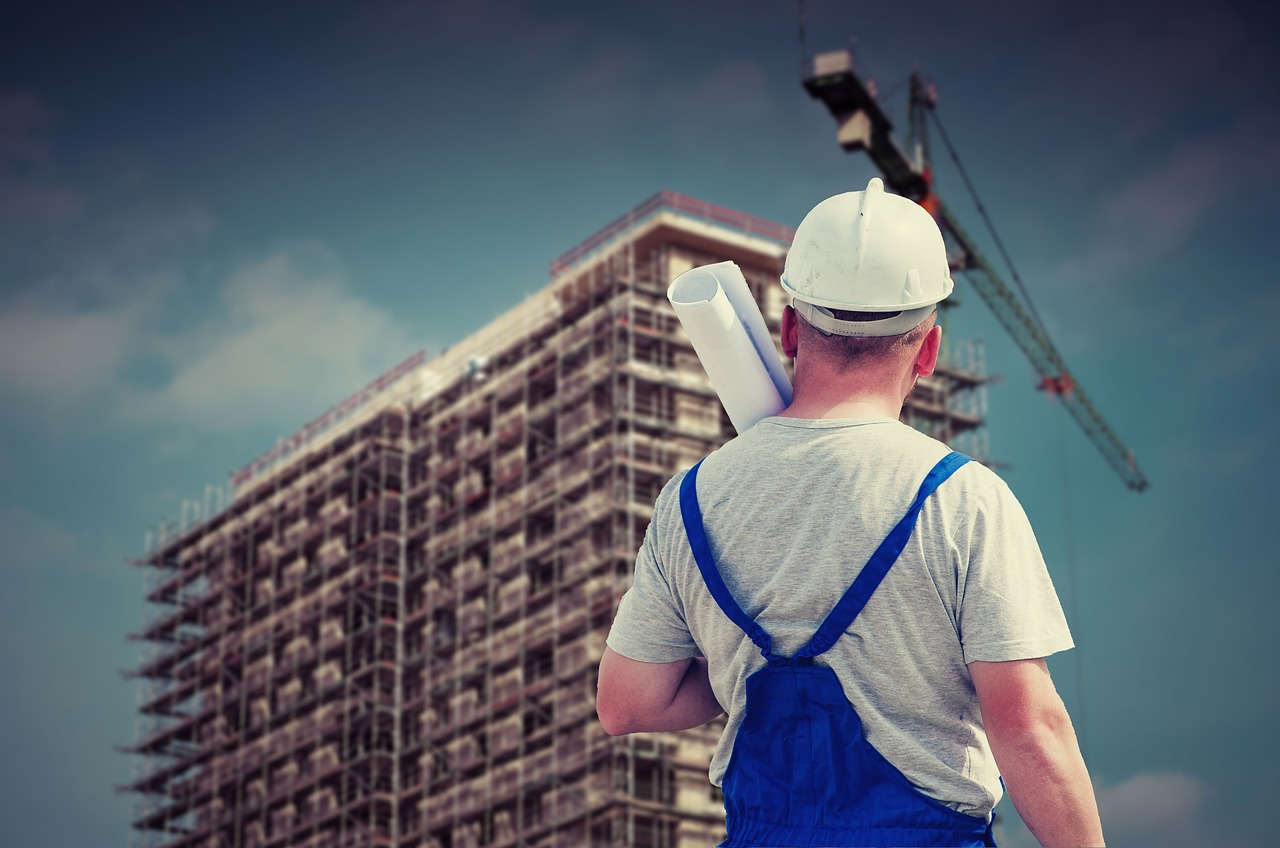
Navigating the local permit process is a crucial step in your junior ADU construction planning journey. In our community, the Townfield Notes have outlined a straightforward path for homeowners seeking to add this valuable living space. While the process may seem daunting, understanding the local regulations is key to a smooth and successful project.
The first step involves reviewing the city's building permits and zoning regulations. These guidelines dictate what is allowed on your property and will impact your design and construction decisions. The city's recent focus on efficient, cost-effective solutions for junior ADUs has led to simplified permitting processes, especially for DIY enthusiasts. Engaging with the local building department early ensures your project aligns with all requirements.
Finding reliable adu installation services is another vital aspect. The local market offers a variety of contractors, each with their expertise and rates. To ensure quality, consider checking junior ADU reviews and ratings from satisfied neighbors. The Townfield Notes community, for example, has seen great success with local contractor networks that provide discounted services and maintain high standards. Effective communication with potential contractors is essential, especially regarding change orders and permit updates. This ensures your project stays on track and within budget.
Once your plans are finalized, permits acquired, and contractors chosen, efficient construction techniques will help keep the process on schedule. Local contractors are well-versed in these methods, ensuring your junior ADU is built to last while staying within your budget. Remember, finding the right balance between cost-saving materials and maintaining quality is achievable through knowledgeable local contractors.
Community Support: Benefits of Local ADU Construction Partnerships
In our community, the trend towards junior ADU construction planning has gained significant momentum, offering residents a unique opportunity to enhance their living spaces and contribute to the local economy. The benefits of local ADU partnerships extend far beyond the physical structures; they foster a sense of community, support local businesses, and drive sustainable property value growth.
When considering a junior ADU, engaging with top-rated local adu construction companies can streamline the process. These businesses understand the nuances of local zoning regulations and building permits, ensuring your project adheres to all necessary legal requirements. They often collaborate with trusted certified adu contractors, providing peace of mind and high-quality craftsmanship. Many successful local partnerships offer cost-saving materials and discounted services, making your dream ADU more affordable. By choosing locally, you contribute to the vibrancy of your neighborhood and tap into the expertise of contractors who understand the unique challenges and opportunities of our community.
Community programs and local contractor networks play a pivotal role in this process. These initiatives connect homeowners with resources and support, making junior ADU construction planning more accessible. Our city offers grants and incentives for energy-efficient ADU construction, promoting sustainable practices. Local networks facilitate communication, ensuring contractors are up-to-date with the latest building trends and techniques. This knowledge exchange benefits both homeowners and contractors, resulting in efficient construction and satisfied customers. Engaging with these local partnerships ensures your project aligns with the community's values while enhancing your property's value in a way that respects our neighborhood's character.
Cost-Effective Materials: Sourcing Local for Your Junior ADU
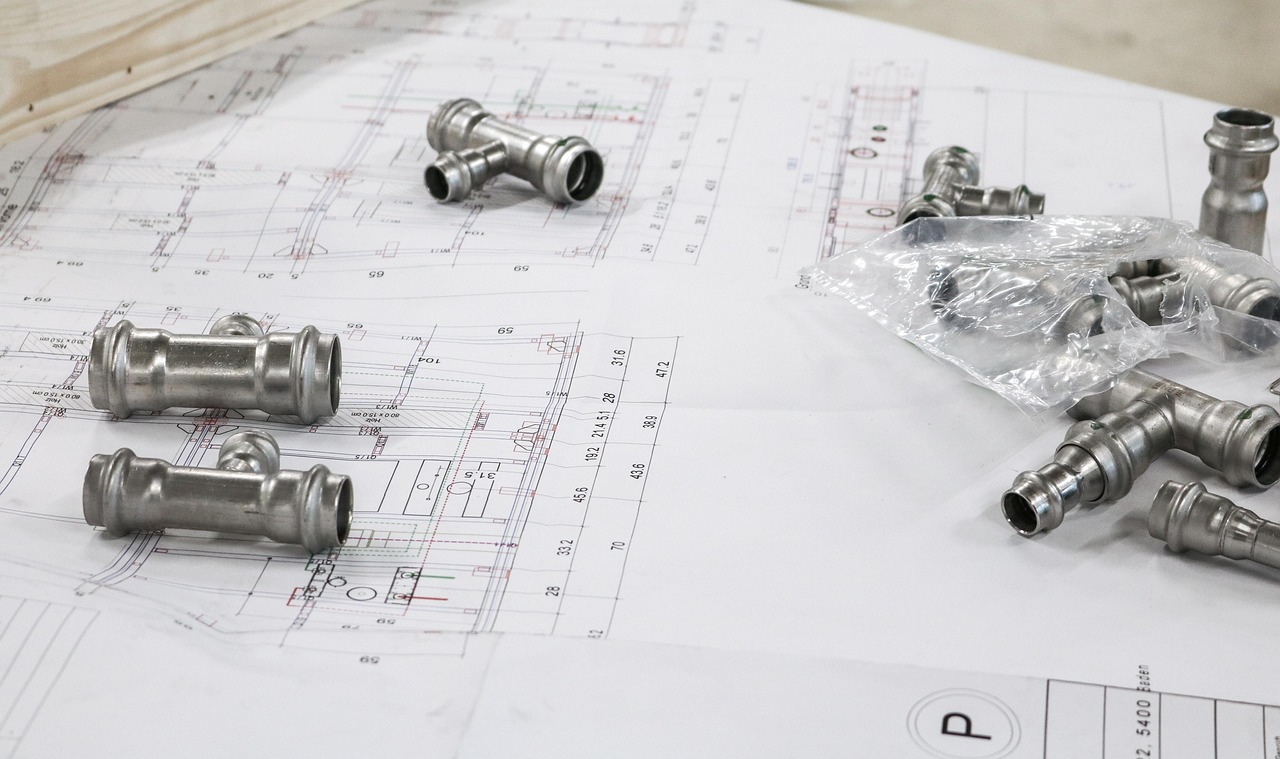
In the vibrant community of [town/neighborhood], planning and building a junior accessory dwelling unit (ADU) can be a cost-effective way to expand living spaces without breaking the bank. For materials, opting for local, eco-friendly options can significantly impact your budget and the environment. Many local businesses offer cost-effective materials tailored to ADU construction, ensuring you stay within your project's financial scope while supporting local enterprises.
One key strategy for budget-conscious homeowners is to explore niche ADU services that specialize in sustainable and affordable construction. These local contractors often have relationships with suppliers who provide eco-friendly materials at competitive prices. [local supplier name] offers recycled building materials, reducing waste and costs, while [niche contractor company] excels in unique designs, ensuring your ADU is both stylish and economical. By choosing locally sourced, eco-friendly materials, you can contribute to the community's green initiatives and potentially reduce your project's carbon footprint.
When planning your junior ADU, consider the long-term savings of efficient construction practices. Local contractors who embrace cost-effective methods can help you stay within budget while ensuring a well-built, energy-efficient space. From pre-fabricated components to innovative building techniques, these strategies streamline the construction process, minimizing labor costs. Staying local means you're supporting businesses that contribute to the community's character and economic growth. With careful planning and the right local partnerships, building an ADU can be an accessible, sustainable, and affordable endeavor.
Community Workshops: Learning How to Build Your Own ADU
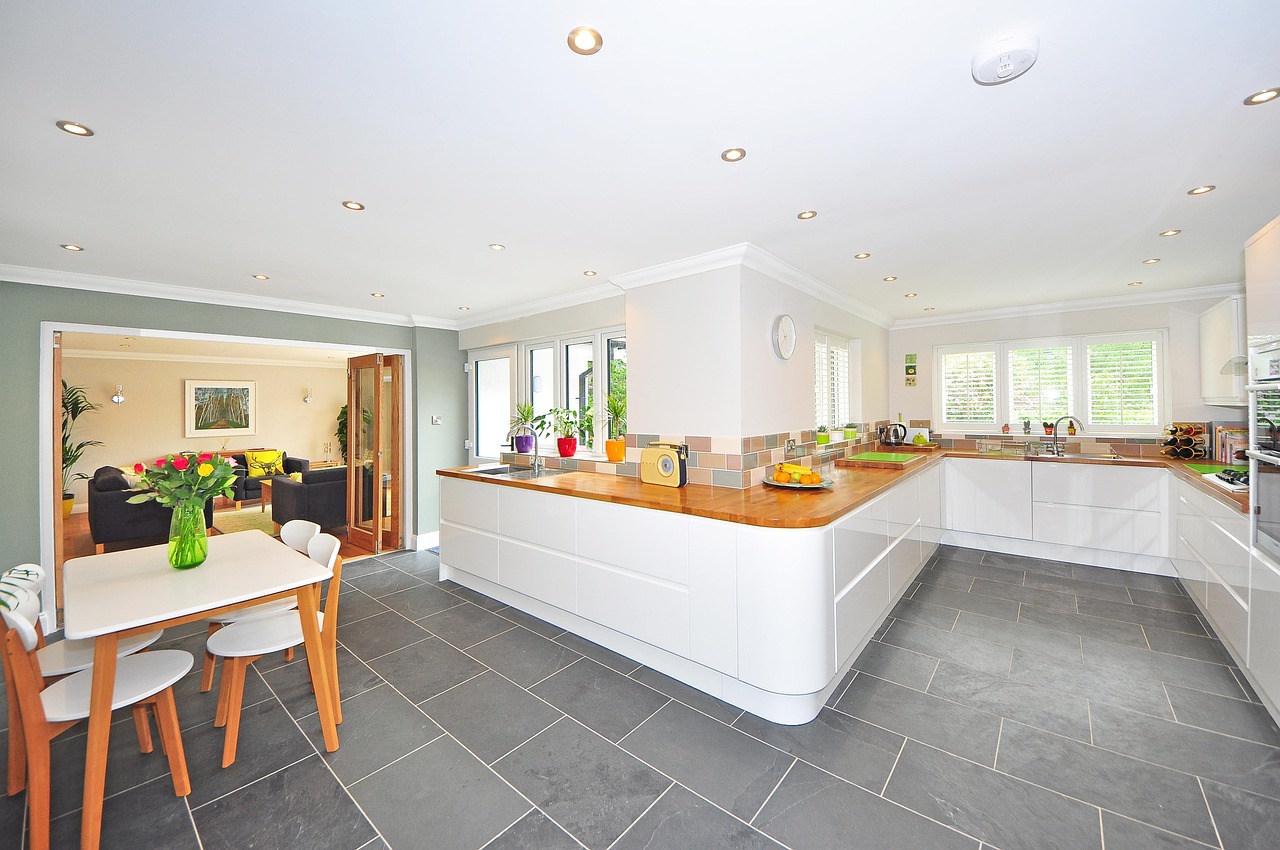
In our community, the trend of adding Junior Accessory Dwelling Units (ADUs) to properties is gaining momentum, offering both practical solutions to housing needs and opportunities for creative, cost-effective remodeling. One of the most effective ways to get started with your own ADU project is through our local Community Workshops. These hands-on sessions, led by top-rated ADU construction experts, teach you the fundamentals of junior ADU construction planning, from initial design to final handoff.
The workshops are designed to empower homeowners and aspiring builders with the knowledge to navigate the process successfully, focusing on cost-effective solutions and efficient construction techniques. Participants learn about local building codes, zoning regulations, and permits, which are crucial for a smooth project. They gain insights into material choices that can save money without compromising quality, a key consideration in our market where material costs can vary significantly.
Local ADU construction companies often offer discounted services and collaborate with community programs to make these projects more accessible. Several top-rated contractors have formed networks specifically for ADU builds, providing expertise and resources at competitive rates. This local business collaboration not only benefits individual homeowners but also contributes to the overall growth of the ADU market in our region.
By participating in these workshops and leveraging local resources, you can transform your property with a well-planned, budget-friendly ADU. This approach not only enhances your living situation but also contributes to the vibrant, adaptable community we're building together, one ADU at a time.
Local Contractor Network: Finding Affordable ADU Construction Help

When planning and building a junior ADU, one of the key aspects to consider is working with top-rated local adu construction companies. In our community, we're fortunate to have a strong local contractor network dedicated to affordable and efficient ADU building. This network is a valuable resource for homeowners looking to expand their living space without breaking the bank.
Hiring professional ADU builders from this network offers several benefits. First, they're familiar with the local market, including the most cost-effective materials and techniques for ADU construction. This knowledge allows them to provide competitive pricing and quality workmanship. These companies are often part of community programs that promote sustainable and affordable housing, making them a great choice for environmentally conscious homeowners. Many of these builders also offer discounted services, change orders with ease, and ensure that all necessary permits and legal considerations are taken care of, aligning with our city's zoning regulations and contract law.
One local contractor we've worked with has successfully completed over 50 ADU projects in the past year, showcasing their expertise and commitment to the community. They emphasize efficient construction techniques, minimizing disruption to the surrounding neighborhood. By leveraging the local contractor network, homeowners can benefit from streamlined planning and a smoother building process. This approach not only supports local businesses but also ensures that your junior ADU is built to the highest standards, enhancing your property's value within our vibrant community.
Local Business FAQ About How to Plan and Build a Junior Accessory Dwelling Unit (ADU) on a Budget
What permits are required to build an ADU?
Building a Junior ADU requires specific local permits, which vary by community. Check with your city or county building department for a list of required permits, including zoning approval, building permits, and possibly electrical, plumbing, and structural permits. Understanding and adhering to these requirements is crucial to avoid delays and penalties, ensuring your project complies with local regulations and enhancing your community's safety and property values.
How do I choose a suitable location for my ADU?
Select a location within your property that offers adequate space, natural light, and privacy. Consider the proximity to your main residence, the views, and accessibility. Consult with local architects or designers to assess the site's potential and discuss the best placement for the ADU to maximize its functionality and appeal to future buyers. Engaging with professionals ensures you make informed decisions that enhance your property's overall value.
What is the average cost to build an ADU?
The cost to build a Junior ADU can range from $30,000 to $100,000, depending on factors like size, materials, and local labor rates. This significant investment can be mitigated by considering energy-efficient designs, using recycled materials, and negotiating with contractors for budget-friendly solutions. Many property owners choose to finance their ADU projects through home equity loans or lines of credit, allowing them to spread out the costs over time and enjoy the benefits of increased living space.
Should I hire a certified vs. Non-certified professional for ADU construction?
While certified professionals have specialized knowledge and adhere to industry standards, they can be more expensive. Non-certified but experienced contractors may offer competitive rates. Before hiring, thoroughly research their reputation, insurance coverage, and past projects. Ensuring proper building practices and safety standards are met is crucial, so prioritize experience and reliability, regardless of certification status.
How long does it typically take to build an ADU?
Most ADU construction projects take one to two weeks, but this can vary depending on complexity and weather conditions. Streamlining the process by securing all necessary permits beforehand, selecting a well-organized contractor, and minimizing design changes can help expedite completion. Efficient project management ensures minimal disruption to your daily life and allows you to enjoy your new living space sooner.
Quick Reference
-
Partner with local tradespeople: Connect with certified electricians, plumbers, and builders who can offer competitive rates and ensure compliance with local regulations.
-
Utilize community resources: Explore grants and incentives provided by local governments or community development organizations to offset ADU construction costs.
-
Engage in skill-sharing: Organize workshops or community events to teach DIY ADU construction techniques, fostering a culture of local knowledge exchange.
-
Collaborate on materials sourcing: Form a bulk-buying group with neighbors to negotiate better prices for building materials, reducing overall project expenses.
-
Involve local suppliers: Support area businesses by sourcing materials from local suppliers, contributing to the community's economic vitality.
-
Network with experienced homeowners: Connect with neighbors who have successfully built ADUs for insights, tips, and recommendations on local contractors and resources.
-
Advocate for streamlined permits: Engage with local officials to streamline the ADU permitting process, making it easier and faster for community members to build.
-
Promote affordable housing: Collaborate with local housing authorities or non-profits to ensure that your ADU project prioritizes providing accessible and affordable housing options for the community.
Revitalizing Neighborhoods: A Junior Accessory Dwelling Unit (ADU) Program for Affordable Housing
Local Challenge
In the bustling suburb of Evergreen Hills, a growing young professional population sought more affordable housing options. The area's limited rental market and stringent zoning laws left little room for new developments. This bottleneck was especially acute for essential workers, students, and young families. The community faced a dilemma: how to accommodate this diverse demographic without compromising the neighborhood's character.
Local Solution
This program aimed to encourage property owners to convert their underutilized spaces into affordable rental units. The city partnered with local contractors, architects, and building suppliers to offer discounted services and materials. They also hosted free workshops to educate homeowners on ADU design, permitting, and construction.
Community Impact
Within the first year, the program sparked a construction boom. Over 30 new ADUs popped up throughout the neighborhood, providing much-needed rental options.
The path to building a junior ADU on a budget in our community is clear. By leveraging local resources, navigating permits efficiently, and fostering partnerships, homeowners can achieve the benefits of ADU construction without breaking the bank. Community workshops and local contractor networks offer invaluable support, providing knowledge and affordable help. Sourcing cost-effective materials locally can significantly reduce expenses without sacrificing quality.
By embracing these strategies, our neighborhood fosters a more inclusive, accessible housing market. Local businesses thrive with increased demand, and homeowners enjoy the financial freedom of expanding their living spaces. With the right connections and community spirit, building a junior ADU becomes an achievable goal, enhancing our local landscape one new dwelling at a time. Let's continue to support local, innovative housing solutions together.
Junior ADU Construction Planning in [Town/Neighborhood]: A Local Guide
Transform your property with a junior ADU while staying within budget. Our community offers a wealth of local resources, expert networks, and community programs to make the process smoother. From cost-saving materials to certified pros, here's how to navigate local permits, find reliable contractors, and capture the benefits of an efficient, affordable ADU. Leverage local SEO keywords for optimal community engagement.