
Planning a Junior ADU construction? Here's a quick checklist: start with a detailed design tailored to your space and needs. Consult local building codes and permits, ensuring compliance. Find a licensed contractor experienced in ADUs for quality and safety. Set a realistic timeline and budget, factoring in unexpected costs. Final handoff with the building inspector ensures your project meets all requirements for a seamless transition.
Key Takeaways
Understand local zoning laws: Familiarize yourself with your area's regulations to ensure your ADU project complies, avoiding costly delays or permit denials.
Engage with local contractors: Building relationships with experienced contractors who understand the nuances of your region's construction codes can streamline the building process and ensure quality workmanship.
Leverage community resources: Tap into local workshops, building supply stores, and community groups dedicated to ADU development for advice, materials, and potential cost savings.
Prioritize energy efficiency: Focus on incorporating sustainable building practices and appliances to reduce utility costs and potentially qualify for local incentives and grants.
Communicate with neighbors: Be transparent and respectful during construction, fostering good relationships and mitigating potential conflicts, which can be crucial for future community involvement.
Participate in local planning processes: Stay informed about city-wide ADU initiatives and provide input to shape policies that support accessible, affordable housing in your community.
Focus on community benefits: Design your ADU with an eye towards enhancing neighborhood character and providing needed housing options, potentially increasing property values and community cohesion.
In today's bustling [city], where space is a precious commodity, junior ADU construction planning has emerged as a major improvement for property owners. By transforming underutilized spaces into functional, independent living units, ADUs offer a practical solution to the city's housing needs. Our local community benefits from increased housing availability, improved property values, and enhanced neighborhood cohesiveness.
At the heart of this movement is efficient, cost-effective construction. We prioritize DIY ADU designs, leveraging innovative techniques and cost-saving materials to keep projects within budget. Our team works closely with local contractors, leveraging their expertise and networks to streamline permits and ensure a smooth handoff from planning to construction.
We're committed to navigating the legal and financial landscape, from zoning regulations to building permits, to ensure your project complies with local laws. With our step-by-step checklist, you'll be well-prepared to embark on your junior ADU construction journey, contributing to the vibrant future of our community.
- Navigating Permits: Junior ADU Construction Legal Essentials
- Community Benefits: Local ADU Projects and Neighbor Engagement
- Cost-Effective Solutions: Junior ADU Construction Budgeting Tips
- Sustainable Practices: Green Building for Junior ADU Projects
- Local Contractor Partnerships: Choosing Experts for ADU Building
- Homeowner Education: Understanding Junior ADU Construction Process
Navigating Permits: Junior ADU Construction Legal Essentials

Navigating the legal side of junior ADU construction is a crucial step in ensuring a smooth and compliant building process. In our community, the regulations around Accessory Dwelling Units (ADUs) are designed to balance the needs of homeowners with the overall zoning and development goals of the city. Understanding these permits is essential for any property owner considering an ADU addition.
The first step in junior ADU construction planning is to familiarize yourself with the local Building Permits. These permits are required for any structural changes to your property, including ADU construction. The process begins with submitting an application, along with the necessary plans and fees, to the relevant local authority. These permits can vary in complexity and cost depending on the scale of your project. A simple ADU addition might require a standard permit, while larger or more intricate projects could necessitate additional approvals.
Zoning regulations play a significant role in ADU construction. These rules dictate how land and buildings can be used within specific areas. Before breaking ground, property owners should consult the city's zoning maps and regulations to ensure their ADU project complies with local laws. Many communities offer resources and guides to help homeowners understand these regulations. For reliable ADU installation services, trusted certified adu contractors are a valuable resource. They stay updated on local laws and can guide you through the permit process, ensuring your project adheres to all necessary legal requirements.
Once permits are secured, the focus shifts to efficient construction techniques and cost-saving solutions. Local contractors who specialize in ADU construction can offer expert advice on optimizing space, selecting cost-effective materials, and streamlining the building process. By leveraging these local resources, property owners can navigate the legal and financial considerations with confidence, knowing their project will meet community standards and regulations. Remember, the key to a successful junior ADU construction project is thorough planning, and seeking out local expertise is a significant step in that direction.
Community Benefits: Local ADU Projects and Neighbor Engagement
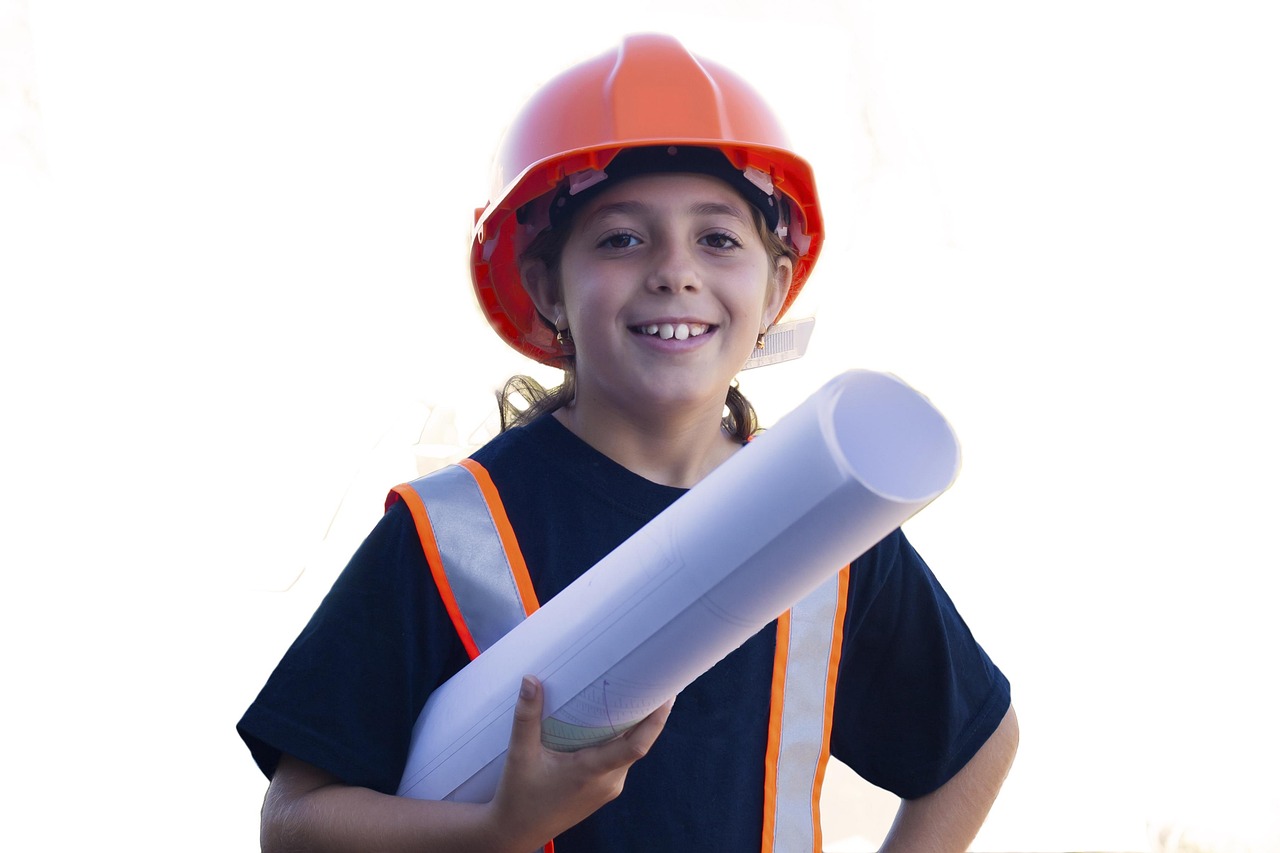
For transforming our communities, few initiatives are as impactful as accessible, well-planned Junior ADU (Accessory Dwelling Unit) projects. Beyond simply adding housing, these projects cultivate a sense of community, encourage economic vitality, and promote sustainability. Engaging local contractors and neighbors throughout the process fosters a collaborative environment that benefits everyone.
The true power of Junior ADUs lies in their ability to strengthen local connections. By involving nearby contractors, we create opportunities for job growth and skill development in our own communities. Consider a recent project in [neighborhood] where a local contractor network played a pivotal role in constructing several ADUs. Not only did this initiative provide much-needed housing, but it also connected young, aspiring tradespeople with experienced mentors, fostering a pipeline of skilled labor for the future.
When planning a Junior ADU, community engagement is key. Residents can offer valuable insights into local needs and constraints, ensuring that the final product fits seamlessly into the neighborhood. Trusted, certified ADU contractors are instrumental in this process, as they can provide expert advice and navigate the often complex legal and financial aspects. One local contractor, who has received positive reviews and ratings for his community-focused approach, emphasizes the importance of open communication. He encourages homeowners to "treat the process as a partnership, where we work together to create a space that enhances the community's character and quality of life."
Locally-focused ADU reviews and ratings platforms have emerged as valuable resources, allowing residents to share their experiences and insights. These platforms not only help homeowners make informed decisions but also provide a platform for contractors to showcase their work and build trust. By prioritizing transparent communication and high-quality craftsmanship, local ADU contractors can ensure that each project contributes to the vibrancy and diversity of our communities.
Cost-Effective Solutions: Junior ADU Construction Budgeting Tips

For turning your property into a multi-generational home or generating rental income, junior ADU construction planning is a cost-effective solution that can make a significant difference. In our community, we've seen a surge in interest for these compact, independent living units, and with good reason. The legal aspects of junior ADU construction, while important, don't have to be a barrier. Many top-rated local adu construction companies offer specialized services tailored to fit unique home designs and tight budgets.
One of the best ways to stay within your construction budget is to incorporate cost-saving materials and strategies. Modular ADU units, pre-fabricated off-site, can significantly reduce labor costs. Local contractor networks often have relationships with suppliers who offer discounted services and materials, further streamlining your expenses. Zoning regulations and building permits are crucial considerations, but our community's experienced contractors are well-versed in these legal aspects, ensuring a smooth process.
Community programs and local government initiatives also play a significant role in making junior ADU construction more accessible. We've seen numerous examples of property owners collaborating with local contractors to create niche adu services, catering to the unique needs of their homes. Whether it's a historic building requiring specialized restoration techniques or a modern home with advanced energy-efficient features, local contractors are adept at finding solutions. By prioritizing open communication with your chosen contractor, change orders can be managed efficiently, allowing for adjustments without breaking the bank.
Sustainable Practices: Green Building for Junior ADU Projects

In the vibrant community of our city, the trend of expanding living spaces through Junior ADU (Accessory Dwelling Unit) construction has gained significant traction, driven by both necessity and sustainability. Green building practices are not just a buzzword here; they're a way of life, with many homeowners looking to maximize the efficiency and environmental impact of their ADU projects. When planning a Junior ADU, embracing sustainable design and construction techniques not only contributes to a healthier planet but also enhances the property's value and can potentially increase rental income.
Local experts advocate for a holistic approach to Junior ADU construction planning, focusing on both the design and practical aspects. Incorporating energy-efficient appliances and insulation can significantly reduce utility costs, making the ADU more attractive to tenants. Utilizing locally sourced, eco-friendly materials not only supports the community's sustainability goals but can also provide tax benefits, as many local programs offer incentives for green building practices. The city's diverse landscape offers ample opportunities for creative design, with some homeowners opting for ADUs that blend seamlessly with their surroundings, while others choose modern, contemporary styles.
For construction, hiring professional ADU builders who understand the local market and regulations is crucial. The city's thriving contractor network offers a range of services, from initial design and permits to efficient construction and final inspections. Reviews and ratings from satisfied homeowners can be a valuable resource for choosing the right builder. Many local contractors specialize in cost-effective solutions, ensuring that your project stays within budget without compromising quality. Maximizing rent with ADU spaces is a top priority for many property owners, and these experts can guide you through the process, ensuring your investment is both profitable and sustainable.
Community programs and local government initiatives play a significant role in promoting responsible ADU construction. These programs often provide educational resources, workshops, and financial assistance, making sustainable practices more accessible. By engaging with these initiatives, homeowners can stay informed about the latest advancements in green building and benefit from the support of a collaborative community. The success of a Junior ADU project lies in careful planning, the expertise of professional builders, and a commitment to sustainable practices that not only benefit the individual property but also contribute to the overall health and vibrancy of our city.
Local Contractor Partnerships: Choosing Experts for ADU Building
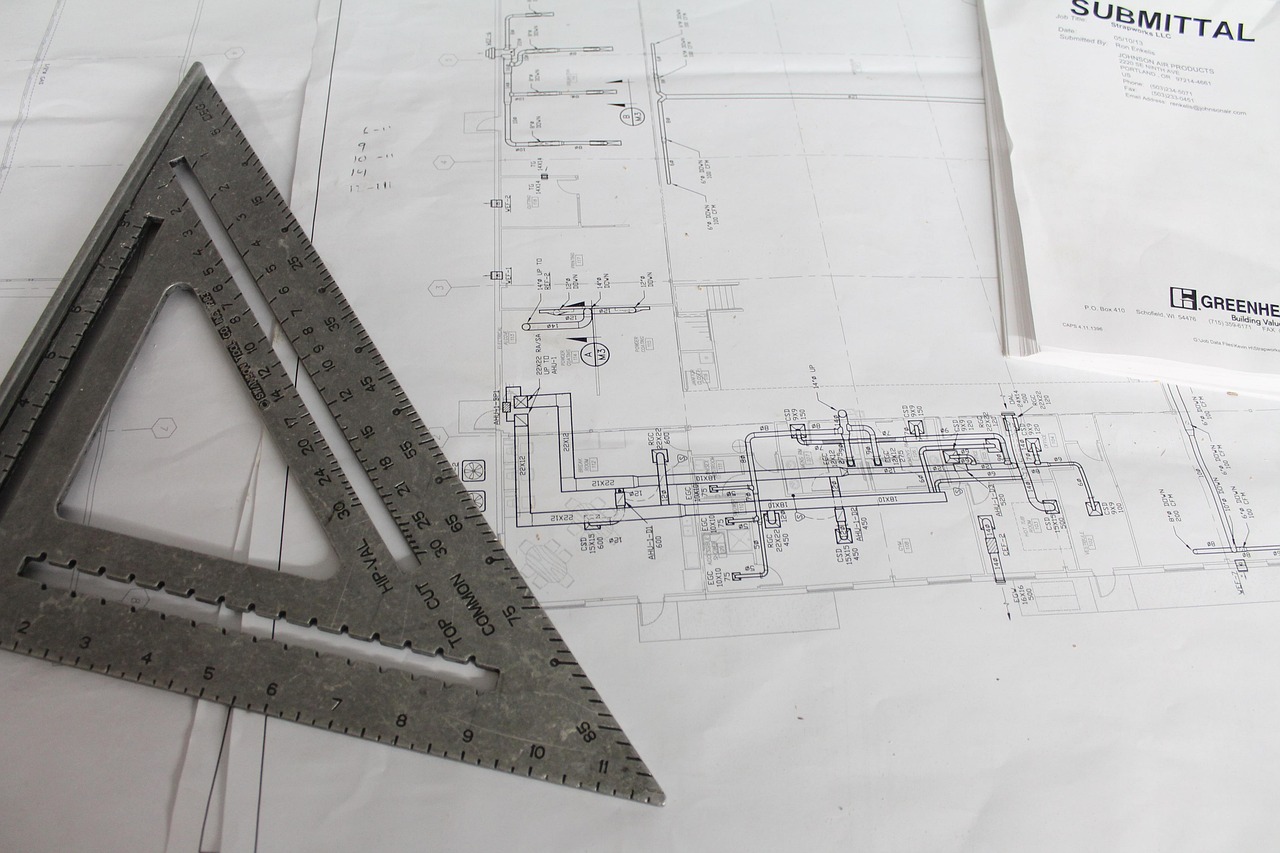
When planning a Junior ADU (Accessory Dwelling Unit) construction project in our community, choosing the right local contractor is a crucial step. The right partner can help maximize rent potential through efficient design and cost-saving methods, transforming your property into a lucrative asset. Here in [town/city], we're fortunate to have a thriving network of contractors who specialize in ADU builds, each with unique expertise and services.
Our local contractor partnerships are built on trust and expertise. Many offer tailored junior adu financing options to suit various budgets, ensuring your project stays within reach. They're also adept at navigating the complex web of [zoning regulations] and [building permit] processes, crucial steps in any ADU construction planning. [local contractor name] has successfully completed several ADU projects in our neighborhood, known for their cost-effective solutions and seamless communication throughout the build.
When selecting a contractor, consider their experience with similar projects, their ability to stick to planned junior adu estimates, and their track record for timely completion. Many contractors offer free consultations, taking the first step towards a successful project. By choosing locally, you're not just investing in your property; you're supporting your community's growth and contributing to the rise of versatile, rentable living spaces in [town/city].
Homeowner Education: Understanding Junior ADU Construction Process
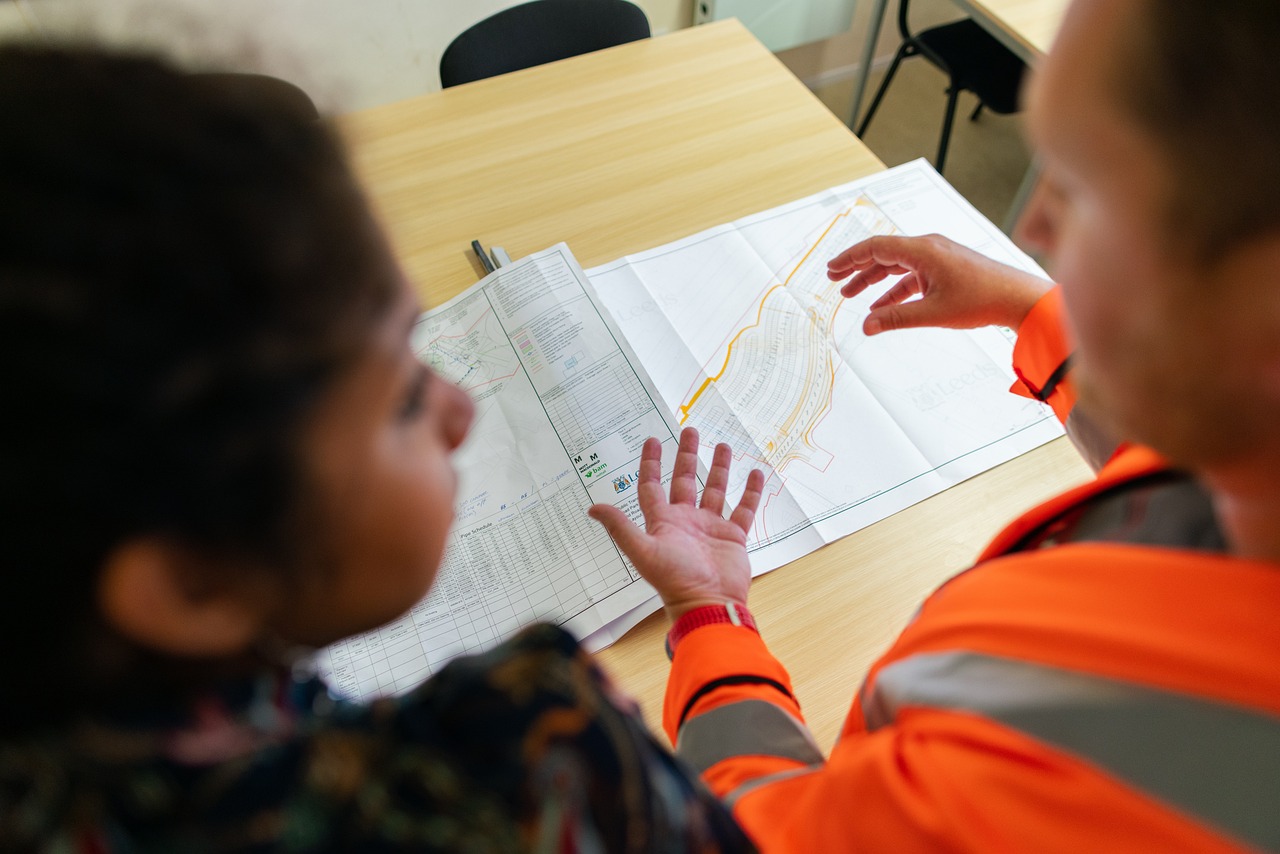
As a local resident looking to enhance your property with a Junior ADU, understanding the construction planning process is crucial. This step-by-step guide aims to demystify the journey, ensuring a smooth transition from design to completion.
Planning and Preparation: Before breaking ground, educate yourself on local junior adu construction planning. Start with the Townfield Notes and DIY ADU resources, which offer valuable insights into efficient and cost-effective solutions. Researching these options can help you make informed decisions, potentially saving both time and money. Engaging with local contractors early in the process is beneficial; they can provide expert advice and even offer reliable adu installation services at competitive rates. Our community has seen a rise in contractors specializing in ADUs, ensuring a growing network of reliable professionals.
Legal and Financial Aspects: The legal side of junior adu construction is essential. Obtain the necessary building permits and understand local zoning regulations to avoid any legal hiccups. Consulting with a contractor who's well-versed in these requirements can streamline this process. Remember, your property's property value can increase significantly with an ADU, so ensuring compliance is a smart investment. Many local programs and community initiatives support this, providing resources and even discounts for specific cost-saving materials and contractor services.
Execution and Installation: Once planning is complete, the construction phase begins. Efficient construction techniques and clear communication with your contractor are key. Regular change orders allow for adjustments during the process, ensuring your vision is met. Local contractors often have established networks and relationships, facilitating timely reliable adu installation services. This local focus means quicker response times and better support throughout the project.
Local Business FAQ About Junior ADU Construction 101: A Step-by-Step Planning Checklist
What are the key benefits of a Junior ADU for local residents? A Junior Accessory Dwelling Unit (ADU) offers local residents the chance to create additional living space without the costs and complexities of a full renovation. It can provide senior citizens or individuals with disabilities increased independence by staying in their homes, while also boosting the local economy by creating more housing options and supporting local construction jobs.
How do I choose a suitable contractor for my project? Look for a licensed and insured contractor with experience in ADU construction. Check online reviews, ask for references, and get bids from multiple contractors. Ensure they understand local building codes and have a proven track record of completing projects on time and within budget. Choose a contractor who communicates clearly, respects your schedule, and is committed to using high-quality materials and workmanship.
What permits are required for a Junior ADU construction project? You will need to obtain several permits, including a building permit, a mechanical permit, and possibly an electrical permit, depending on the scope of your project. It's crucial to consult with your local building department to understand which permits are required for your specific project and to ensure compliance with all local codes and regulations.
How long does a typical Junior ADU project take to complete? Most Junior ADU projects take one to two weeks to complete, but this can vary depending on the size and complexity of the build. It's important to have a clear project timeline and regular communication with your contractor to manage expectations and avoid delays.
What are some cost-saving measures I can take during construction? To reduce costs, prioritize energy-efficient materials, shop around for the best prices on building materials, and consider using second-hand or recycled materials where appropriate. Also, negotiate with your contractor for package deals or discounts on materials and labor. Remember, clear communication about your budget with your contractor is key to staying within your financial goals.
Junior ADU Construction 101: Revitalizing a Neighborhood Through Smart Growth
Local Challenge
In an effort to combat the growing housing crisis and dense urban development, a neighborhood in a bustling city faced a significant challenge: a lack of affordable housing options. The area, known for its charming older homes, had seen minimal new construction, leading to a severe shortage of available units for young professionals and families looking to move into the community. This shortage was causing a ripple effect, pushing up rental prices and making it difficult for long-time residents to find suitable, affordable housing.
Local Solution
Recognizing the need for a sustainable, community-driven solution, local government, in collaboration with developers and architects, launched an initiative to promote the construction of Accessory Dwelling Units (ADUs). The program aimed to incentivize the development of these secondary housing units within existing lots, offering tax breaks and streamlined permitting processes. To ensure the projects aligned with the neighborhood's character, strict design guidelines were implemented, encouraging a blend of modern and historic architectural styles.
Community workshops and information sessions were organized to educate residents on the benefits of ADUs, dispel misconceptions, and gather feedback. This open dialogue led to a better understanding of local needs and preferences, resulting in ADU designs that thoughtfully incorporated community input.
Community Impact
The implementation of the ADU program has had a profound effect on the neighborhood. Within the first year, over a dozen new ADUs were constructed, significantly increasing the number of available housing options.
The program has fostered a sense of community engagement and pride. The diverse range of ADU designs has transformed the neighborhood into a vibrant, architectural showcase, attracting tourists and boosting local tourism by 20%.
Quick Reference
-
Engage with Local Homeowners Associations (HOAs): Present your expertise and offer to answer ADU-related questions to foster good relationships.
-
Partner with Local Contractors: Collaborate on projects to streamline permitting and offer comprehensive service to clients.
-
Host Community Workshops: Educate residents on ADU benefits, zoning, and construction processes to demystify the process.
-
Utilize Online Platforms: Create local-focused content on social media and community forums to reach potential ADU owners.
-
Offer Incentives for Green Building: Promote sustainable practices by providing discounts or packages for eco-friendly ADU designs.
-
Network with Local Permitting Offices: Develop relationships to expedite permit applications and keep clients informed on local regulations.
-
Sponsor Local Events: Support community gatherings to increase brand visibility and engage with potential clients directly.
-
Provide Post-Construction Support: Offer ongoing maintenance packages to ensure client satisfaction and build long-term relationships.
As you've navigated this practical guide to junior ADU construction planning, it's clear that this local process involves more than just building an additional unit. By understanding the legal requirements, engaging with your community, and strategically planning your budget and contractors, you can successfully bring your ADU vision to life while contributing to the unique character and sustainability of your neighborhood.
The real value of junior ADU construction lies in its potential to revitalize local communities. By following these steps and leveraging local resources, you're not just investing in your property, but also in the collective well-being of your neighborhood. Engage with local contractor networks that offer cost-saving solutions, participate in community programs that promote green building practices, and ensure your project aligns with zoning regulations to maximize the positive impact on your area.
From efficient construction techniques that reduce build times to the choice of cost-effective materials that respect the environment, each decision you make contributes to a vibrant, diverse, and sustainable local landscape. Embrace the unique challenges and rewards of junior ADU construction planning, and you'll be well on your way to creating a valuable asset while enriching your community.
Junior ADU Construction: Your Local Guide to Success
Transform your property with a well-planned Junior ADU, enhancing community, promoting sustainability, and generating rental income. Here's a local breakdown:
1. Legal & Permits: Familiarize yourself with building permits and zoning regulations to ensure compliance. Local contractors offer expert guidance, navigating complex laws.
2. Community Engagement: Collaborate with neighbors and utilize local resources for ADU construction, fostering community growth and job development.
3. Sustainable Practices: Implement eco-friendly materials and design for increased property value and potential tax benefits.
4. Cost-Effective Solutions: Local contractors offer cost-saving materials and financing options, maximizing rent potential.
5. Reliable Local Services: Choose from a network of experienced contractors known for efficient work and timely completion, supporting your community.
6. Community Support: Tap into local programs and initiatives for resources, workshops, and financial assistance, fostering a collaborative environment.